Alfalfa pellets offer a convenient and nutritious feed source for livestock, boosting animal health and potentially increasing farm profitability. This comprehensive guide explores the effective use of Tractor Supply alfalfa pellets within a sustainable farming framework, covering selection, storage, feeding strategies, cost analysis, and troubleshooting. Whether you're a seasoned farmer or just starting, this guide provides actionable steps for maximizing the benefits of alfalfa pellets. For alternative bedding options, consider pine pellet bedding.
Understanding Alfalfa Pellets: A Nutritional Deep Dive
Alfalfa pellets are a concentrated source of nutrients, offering a convenient alternative to loose hay. Their high protein content supports growth and muscle development, while the fiber aids in digestion. Essential vitamins and minerals contribute to overall animal health. However, nutrient levels can vary between batches; always check the guaranteed analysis on the bag. What key nutritional aspects are most important for your specific livestock?
Key Nutritional Components:
- High Protein: Essential for growth and muscle development.
- Fiber: Aids in digestion and promotes gut health.
- Vitamins and Minerals: Contribute to optimal health and performance.
Selecting the Right Alfalfa Pellets: A Buyer's Guide
Tractor Supply offers a variety of alfalfa pellets. Choosing the right ones involves considering several factors:
Quality: Inspect pellets for uniformity in size, color, and absence of mold or dust. These visual indicators reflect high-quality production.
Price vs. Value: Compare prices per pound or ton from different brands. Consider the overall nutritional content, not just the initial cost.
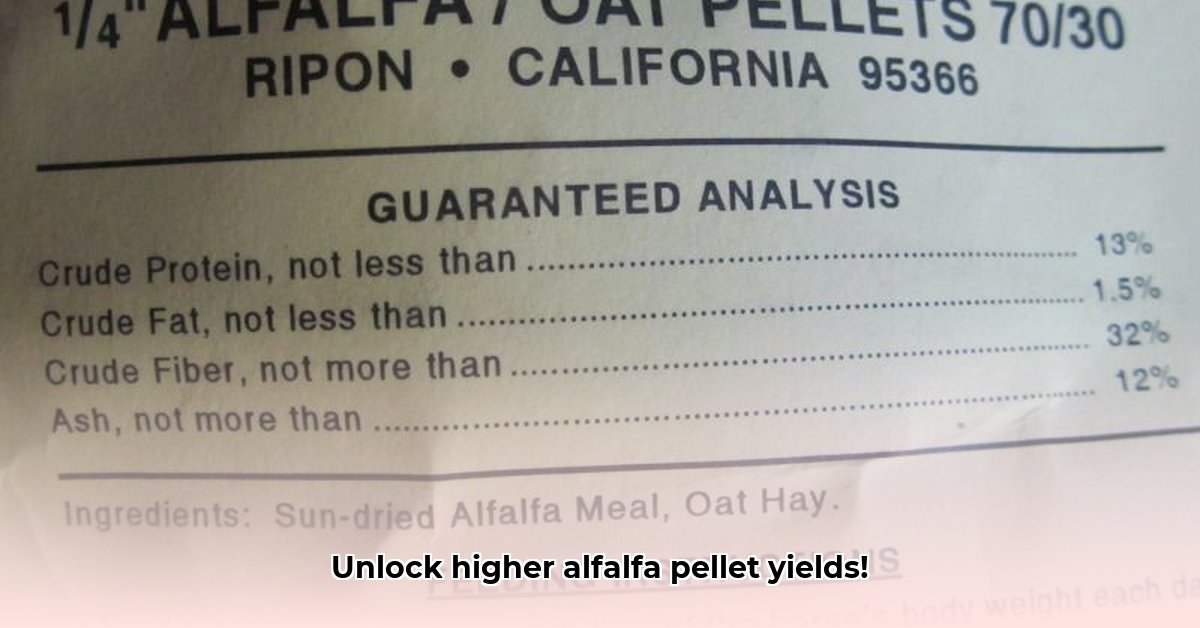
Nutrient Profile: Analyze the guaranteed analysis on the packaging. Ensure the protein, fiber, and mineral content align with your livestock's specific needs and life stages.
Remember, a small investment in higher-quality pellets can translate into significant long-term savings through improved animal health and productivity.
Proper Storage and Handling: Maintaining Pellet Quality
Proper storage is crucial for preserving the nutritional value and preventing spoilage.
Location: Store pellets in a cool, dry, well-ventilated area, protected from moisture and pests. Have you considered using airtight containers or heavy-duty bags?
Protection: Keep pellets away from direct sunlight and rain. Improper storage can lead to mold growth and nutrient degradation.
Pest Control: Implement measures to prevent rodent infestation. Pests can contaminate feed, leading to spoilage and potential health risks to your animals.
Optimal Feeding Regimes: Tailoring to Your Livestock
Alfalfa pellets can be used as a complete feed or supplement, depending on your livestock's needs.
Horses: Use as a supplemental protein source, adjusting the amount based on breed, age, activity level, and overall health.
Cattle: Incorporate as a supplement to hay or pasture, especially for dry or pregnant cows. Adjust quantities based on the cow's life stage and production level.
Goats and Sheep: Offer as a valuable blend of protein and fiber, but ensure adequate mineral supplementation to prevent deficiencies.
Gradual Introduction: Always introduce new feed gradually to prevent digestive upset. Monitor your animals closely for any signs of distress, such as changes in appetite, stool consistency, or behavior.
Budgeting and Cost Analysis: Maximizing Your Return on Investment
While alfalfa pellets may be more expensive than some other feed options, their higher nutrient density can lead to increased feed efficiency.
Cost per Nutrient: Compare the cost per pound of key nutrients (e.g., protein) in alfalfa pellets to other feed sources.
Feed Conversion Ratio: Monitor your animals' weight gain or milk production to assess the feed’s efficiency. Higher efficiency can offset the higher initial cost.
Waste Reduction: Proper storage and careful feeding strategies minimize waste, maximizing your investment.
Troubleshooting Common Issues: Addressing Potential Problems
Several issues can arise during the use of alfalfa pellets:
Spoilage: This often indicates inadequate storage. Review your storage practices to ensure a dry, cool, and pest-free environment.
Wastage: Excessive feeding or improper handling can lead to significant waste. Adjust feeding strategies and improve handling techniques.
Animal Health Problems: Consult your veterinarian if animals experience digestive issues or other health problems that may be related to their diet.
Case Study: Real-World Success with Alfalfa Pellets
"We've seen a noticeable improvement in our dairy herd since incorporating Tractor Supply alfalfa pellets," says Sarah Miller, owner of Miller Family Farms. "Our milk production has increased, and our cows are healthier overall. The consistency in quality from Tractor Supply has been crucial for our success."
Actionable Takeaways: Implementing Success on Your Farm
Maximize the benefits of alfalfa pellets by:
Selecting high-quality pellets: Choose pellets that meet your livestock's specific nutrient needs and exhibit high visual quality.
Implementing proper storage: Ensure a dry, cool, and protected storage area to prevent spoilage and maintain nutritional value.
Developing effective feeding strategies: Customize feeding regimes to match your livestock's breed, age, activity level, and life stage.
Monitoring and adjusting: Continuously monitor your livestock's health and performance, and make appropriate adjustments to feeding plans as needed.
By diligently following these steps, you can optimize the use of alfalfa pellets, improve animal health, and enhance the overall sustainability and profitability of your farm.